

How WiTEDS builds a website
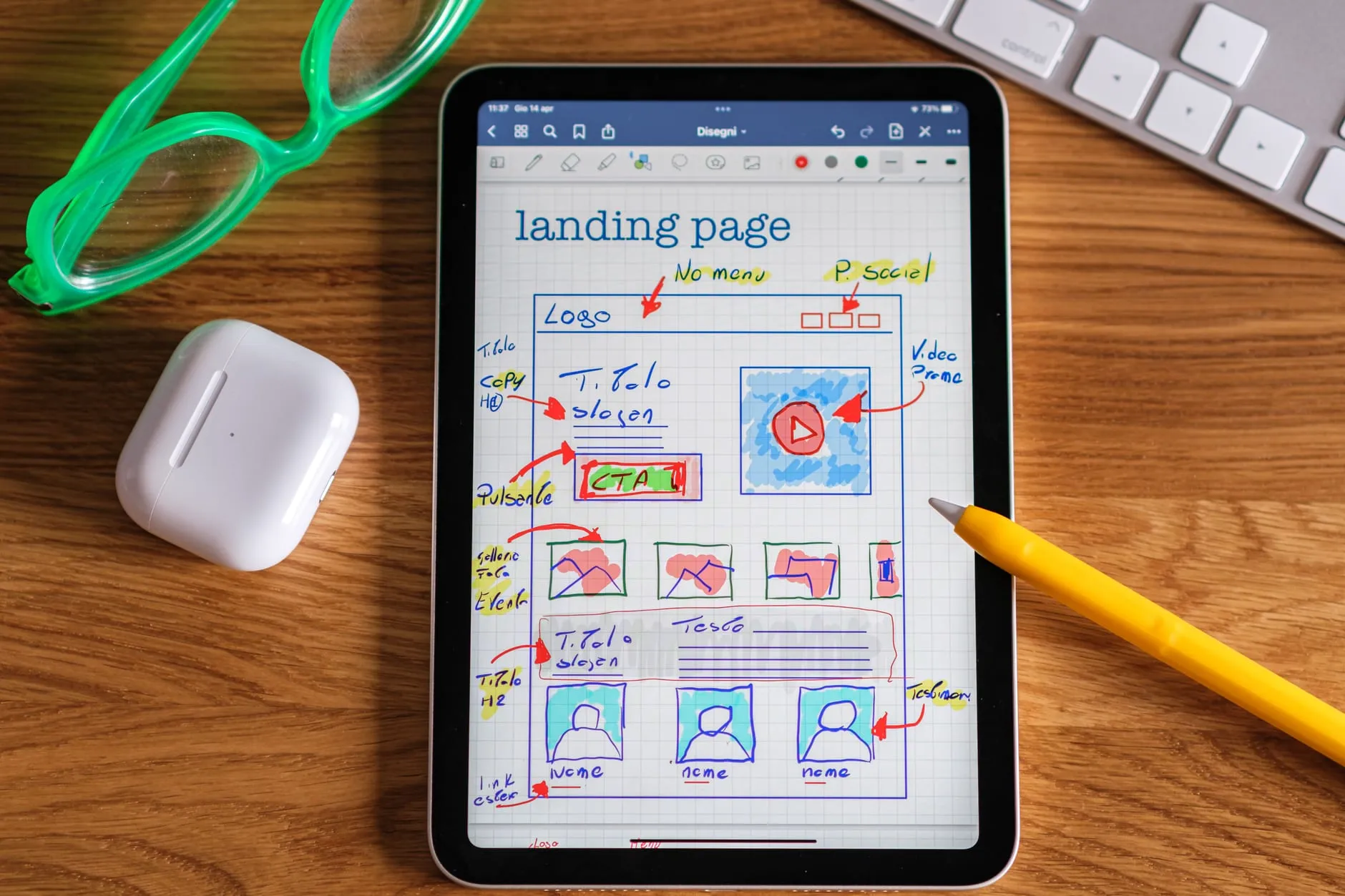
A website project goes smoothly when both sides know what happens next and what is needed at each stage. At WiTEDS, we build websites through a structured sequence: understanding the business, gathering content, designing and building, reviewing together, and launching with the technical foundations in place. Each stage has a clear purpose, so decisions are made at the right time rather than revisited at the end.
This article walks through that process and what you can expect to be involved in.
Step 1: Discovery and requirements
Every project starts with a conversation about the business rather than the website. We want to understand:
- What you do, and which services matter most
- Who your customers are and how they find you
- Who you compete with
- What the website needs to achieve: enquiries, bookings, sales or information
- Any branding you already have, such as a logo, colours and style
- Functional needs, such as booking forms, galleries or integrations
Platform choice comes out of this conversation rather than before it. If you’re unsure which platform suits you, we’ll recommend one based on your needs and who will maintain the site. Our guide to choosing the right website platform covers the main options.
Step 2: Content and assets
Content is often the part that takes longest, so we plan for it early. We’ll work with you to gather:
- Service descriptions and business information
- Existing photos, logos and brand assets
- Access to your domain, hosting or existing accounts, where relevant
If you don’t have suitable photography, we can advise on sourcing appropriately licensed images. Having content ready before the build begins avoids the common problem of a finished design waiting on text.
Step 3: Design and build
With the structure and content agreed, we design the layout and visual direction, then build the site. The build focuses on:
- Clear page structure so visitors can find what they need quickly
- Responsive design that works properly on phones, tablets and desktops
- Accessibility, including readable contrast and keyboard-friendly navigation
- Search-friendly foundations, such as proper heading structure, descriptive page titles and image alt text
- Performance, so pages load quickly
Step 4: Review together
Before launch, we walk through the site with you. This is the stage to:
- Review every page and its content
- Test forms, links and bookings
- Check the site on the devices your customers use
- Request final changes
It’s much easier to refine a site at this point than after it’s live, so we encourage a thorough look.
Step 5: Launch and search setup
Once the site is approved, we launch it and set up the foundations that help it get found, including:
- Connecting search tools such as Google Search Console so the site can be indexed and monitored
- Setting page titles and meta descriptions
- Submitting a sitemap
- Confirming redirects are in place if an older site is being replaced, so existing links continue to work
After launch
A website needs ongoing attention to stay secure, current and effective. After launch, you can manage the site yourself, or arrange ongoing support. Our article on what website care should include explains what that support typically covers.
If you’re ready to plan a new website, see our web design and development service.
Ready to talk about your project?
Tell us about your project and what you need help with.