

Social media and content plans
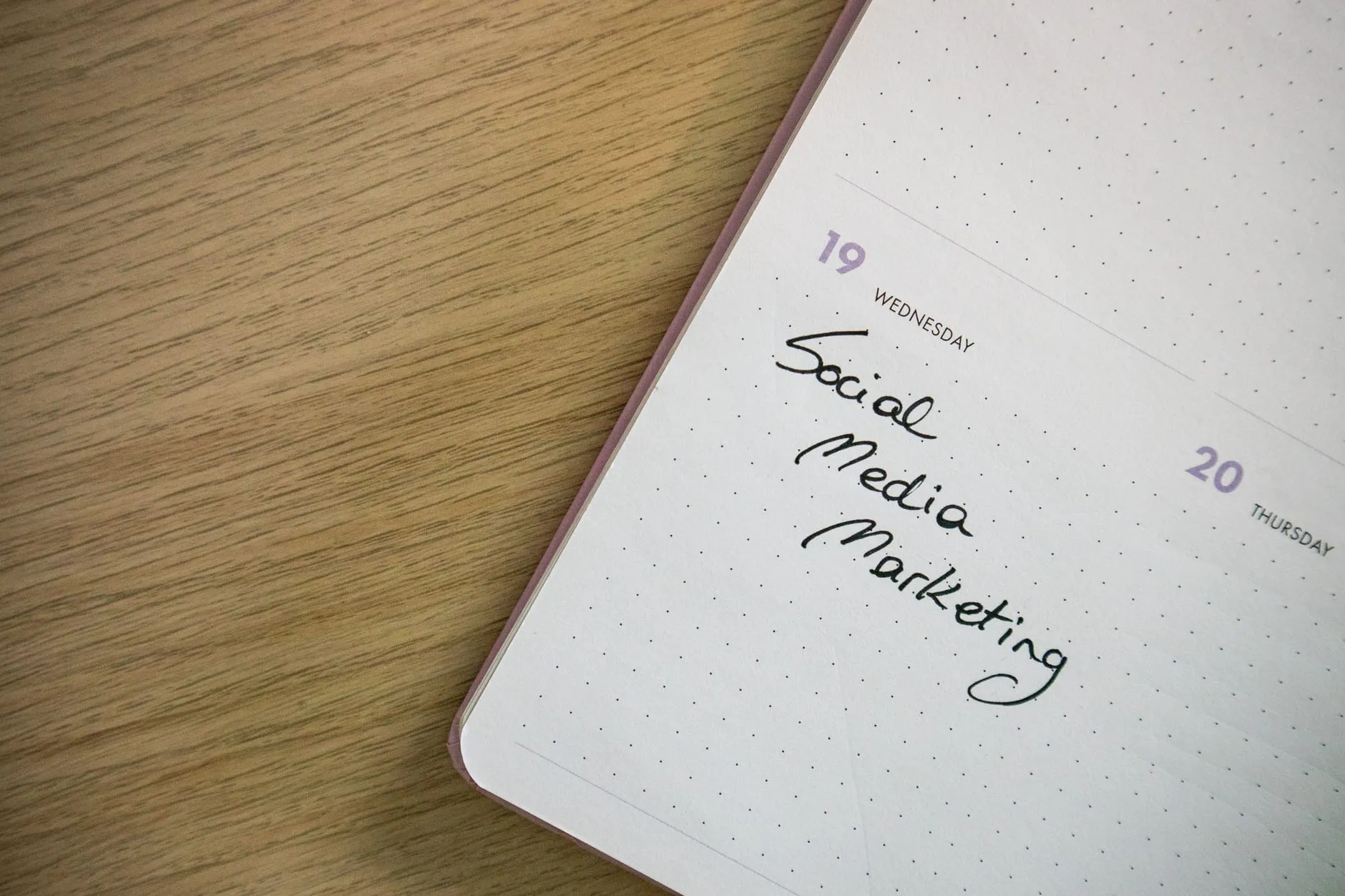
Launching a website is a starting point, not the end of staying visible online. Customers who hear about your business will often check several places: your website, your Google Business Profile and your social media. If those look inactive, people can assume the business is quiet or no longer operating, even when the website itself is fine. A simple, consistent content plan keeps every channel current without taking over your week.
This article covers why a website alone isn’t enough, what a realistic content plan looks like, and how to keep it sustainable.
Why a website on its own isn’t enough
When someone is considering your business, they rarely look in just one place. A typical check might be:
- Searching your business name on Google
- Looking at your website
- Visiting your Facebook or Instagram page
- Checking recent posts and reviews
Each channel is a chance to show that the business is active and trustworthy. An account with no posts for a long time sends the opposite message.
What social media does for a local business
For a local business, social media is less about going viral and more about showing a real, active business. It’s a good place to share:
- Recent projects and completed work, where customers are happy for you to share them
- Behind-the-scenes moments that show the people involved
- Genuine customer feedback
- Seasonal updates, new services and changes to opening hours
Posting regularly on the platforms your customers actually use keeps your business familiar. Choosing one or two channels and using them well is better than being thinly spread across many.
Why blogging still matters
Articles on your own website do something social posts can’t: they stay findable. A useful article can keep appearing in search results long after it was published, while a social post fades from feeds within days.
Blog content can:
- Answer the questions customers ask you most often
- Explain your services in more depth than a service page allows
- Help search engines understand what your business does
- Demonstrate expertise before someone makes contact
A realistic pace, even one or two useful articles a month, is more valuable than a burst of content followed by silence.
What a simple content plan looks like
A sustainable plan for a small business might include:
- One useful article per month on your website, based on real customer questions
- Social posts that share and expand on it, so one piece of work supplies several posts
- Regular Google Business Profile updates, such as photos, news and offers, which can appear in local search and Maps
- Timely posts for seasonal changes, events and new services
The key is reuse. An article becomes several social posts and a profile update, instead of each channel needing entirely separate content.
Keeping it sustainable
The most common reason content plans fail is that they’re too ambitious to keep up. A few ways to make it last:
- Plan a month ahead, so you’re not deciding what to post on the day
- Keep a running list of customer questions to write about
- Batch the work into one session rather than a little every day
- Schedule posts in advance using the scheduling tools built into the platforms
- Review what gets a response, and do more of that
Where to start
- Check your channels from a customer’s point of view, when was each last updated?
- Pick the one or two platforms your customers use most.
- Write down five questions customers regularly ask you.
- Turn the first one into an article, then share it across your channels.
If you’d like support with content and visibility, see our digital advertising service.
Ready to talk about your project?
Tell us about your project and what you need help with.